The phrase “Walk into any library or bookstore (basically the places with free wi-fi) and you will find books on gardening, baking, home DIY, crocheting, and every other activity we craved during lockdown. After opening a few, you’ll find a myriad of opinions that both compliment and contradict each other, leaving the reader in the uncomfortable position of exercising the dying art of critical thinking. Generally speaking, none are right or wrong, just different. You find the ones that resonate and (though trial and error) discover what works for you.
That’s the long-winded way of introducing my focus this week. Yes, you can find a near infinite amount of resources and guides about publishing from people far more experienced and knowledgeable than me. But, it’s so important to share your story (personal and fictional in this case) in order to find those who need to hear it to not feel so alone.
Also, as great as Stephen King’s book On Writing is, I’m pretty sure he’s not fielding questions. I, however, am.

The Crossroads of Publishing
Robert Frost may have taken the road less traveled but what I think he forgot to mention (or was merely luckier than I) was that the road continues to diverge again and again, providing countless opportunities of decision and self-doubt.

Finish the Manuscript
Hooray! The manuscript (unpublished book to the newcomer) is finished! And by finished I mean one of the drafts is done. Because if Shakespeare is still getting revised editions, I’m not so sure there is such a thing as “done.” Regardless, celebrate! The writing road is a long one and taking the time to breathe and recognize the accomplishments along the way is crucial.
Edit ∞
Author Maggie Stiefvater said, “I cannot say it enough: writing is editing. Novels are made in revisions. It isn’t a step to be skirted or hurried through, it is THE step. Drafting is just the pregame.”
This can be a difficult thing to hear after completed a first draft (especially if it’s your first first draft). Imagine scaling Everest then being told to do it again. Perhaps it was the optimist in me, but I hoped that my edits would be nothing more than tightening up a few phrases here and there and laughing at a silly mixup of they’re and their.
Sigh.
If you compared my current draft with the first, there would be very little in common (thank heavens). To be fair to my more naive self, I wrote the best book I was capable of doing at the time. It’s like baking a cake for the first time with no recipe. You can probably guess a lot of the elements but until you mix it, bake it, and taste it, you’re not going to know what you really have or how to fix it.
Believe it or not, I’ve come to enjoy editing. My mind is such that it tries to think of everything all at once and (spoiler alert) it can’t. Editing allows you to pick one and really focus on it while not stressing about everything else. Does this page paint a clear picture? Is this character acting in a way that is honest and consistent? Do I use the word piquant too many times? All things worthwhile taking a second look at but too much to do all at once.
Side note: be kind to your loved ones and allow a few edits before sharing. My poor wife had to suffer through many first drafts that no longer exist.
Alpha & Beta Readers
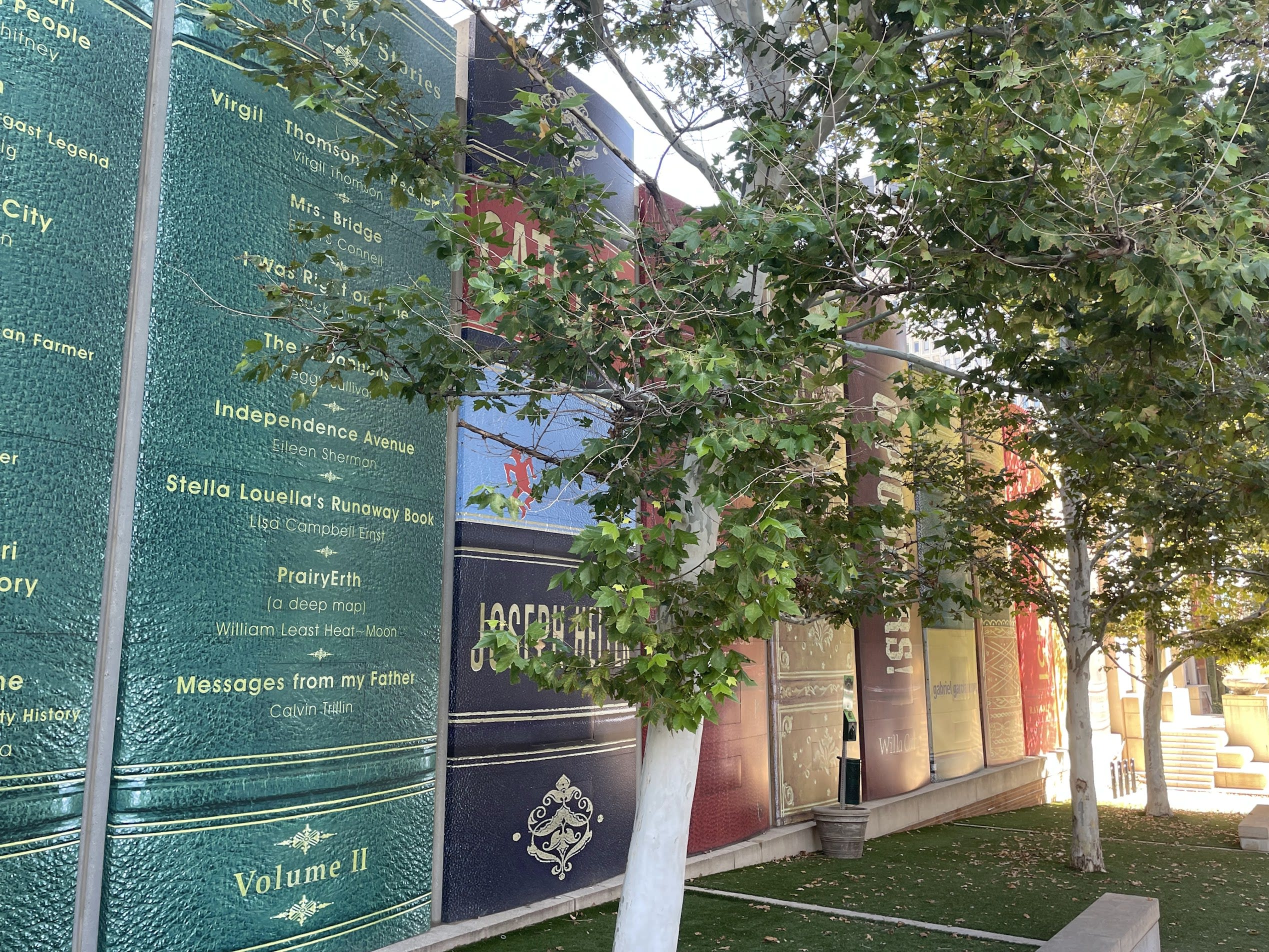
There comes a point where you cannot force yourself to do another round of edits. You’ve gone through and cleaned up messy prose, filled in plot holes, and removed all the repeats. It’s got to be perfect right? It is until you hand it over to someone else and by some form of witchcraft, they notice things on the first page that definitely weren’t there before.
Magic (of the darkest variety).
Alpha readers first and foremost must be honest. They have a difficult job of praising the good so you don’t immediately give up when they point out the bad. Find people you trust that are (preferably) well-read and know how to process a story in its rougher form. To borrow another cooking analogy, they are there to help you make something that tastes good to more than just yourself. As a connoisseur of ketchup and bologna sandwiches, this is for the best.
After making adjustments based on alpha reader feedback, it’s time to widen the spectrum by selecting beta readers. These readers should be carefully selected to give you a better perspective on who your book resonates with. If, for example, I give it to someone who reads lots of romance and they don’t care for it, that doesn’t necessarily mean it’s a bad book, it’s just not for them.
A wide selection of beta readers also helps determine if there are things that don’t make sense. If 1 in 20 says they were confused by one part, that’s probably reader error. 15 in 20? Maybe take a second look.
Beta readers job isn’t to tell you how to change it, just their reaction to it. If you give someone a piece of chocolate cake and they tell you they like tuna better, beware the culinary monstrosity that will result if you listen.
Traditional vs Self Publishing
A Robert Frostian nightmare.
Except, in 2026 there is no road less traveled. Both are viable options with their own set of pros and cons. As someone staring down that decision, hopefully I can be of some assistance and share what I’ve learned.
Traditional publishing is basically trying to get your manuscript into the hands of a major publisher who will distribute it into many stores across the nation. But, with the advent of the internet, and the ease of sending a 100k word manuscript as a mere email attachment (as opposed to printing it off and physically mailing it) means that publishers began to receive many more submissions; so many that most won’t take any except from literary agents.
Literary agents are your bridge to the publishing world. Aside from Oscar acceptance speeches and the film Jerry Maguire, I’m not sure I gave them much thought. In the literary world, it’s their job to find a manuscript they believe they can sell and then reach out to publishers to strike a deal. The good news is they have experience negotiating and since their fees are receiving a percentage of yours, they will want to get you the best deal they can. For first time authors, it’s very appealing to have someone take the lead in an unfamiliar world.
The struggle is finding that agent. No, that’s not correct. The struggle is finding that agent and convincing them to take you on as a client. This requires a process called querying. If I’m honest? It might be my least favorite thing I’ve had to do. Most authors I’ve met are not salespeople. They are (usually) more mellow and prefer the company of a few friends. Querying requires you to not only sell the manuscript you have written but yourself as well. As someone who has struggled with self-confidence his whole life, this is torture. It’s especially overwhelming when you are a first time author with no awards or writing recognition.
The process is time-consuming and mind-numbing. Every agent has their own list of requests and you have to be prepared to adapt. Some want: your first 5 pages, first 10 pages, first 30 pages, first 5,000 words, first 10,000 words, biography, synopsis of the story on one page, synopsis of the plot on 3 pages, etc.
It’s a lot.
I get it, they get hundreds of submissions and can only accept a few so it really needs to be the right fit. This isn’t so much a complaint as it is a reality of going down this path.
Then come the rejections.
Surprisingly, as someone who struggles with rejection (who doesn’t?) the fact they came as form letters made it a bit easier to digest. I think I’m up to around fifty?
Then, if you’re lucky, the magic email comes when the agent responds personally and asks for the full manuscript. Hooray! Celebrate! Someone has recognized that your work is interesting enough to read more. Huge accomplishment!
Then comes more waiting.
If reading hundreds of brief emails takes time, I can’t imagine having to sift through manuscripts as well. At the very least, you have someone in the industry reading your work (for free) and will give you valuable feedback whether they say yes or no.
What happens beyond that? Well, I’m not there yet but I’m sure it would require signing contracts and then? More waiting while the agent tries to sell the manuscript. After that? You guessed it. More waiting. Even with an interested publisher, they have printing schedules and release dates to figure out. So, even the greatest agent with the greatest publisher can take months (probably years) before your work gets onto shelves.
The positive? Someone more experienced is helping you all along the way. Things like editors, cover artists, marketing, etc are all taken care of by the publisher, leaving you at your ease to worry about things like…oh yeah….writing! Publishers have a far reach and can get your book out to a lot of people.
The negatives? I’ve mentioned before timing. It can be a long process, all the while you won’t be seeing a regular paycheck. Speaking of which, deals with major publishers only give you about 10-20% back. This can be viewed in a lot of ways. It doesn’t look like much but if it’s being sold all over, that number can go up based on popularity. 10% of 1,000 people buying the book is better than 100% of three people I convinced to try it.
What about self-publishing?
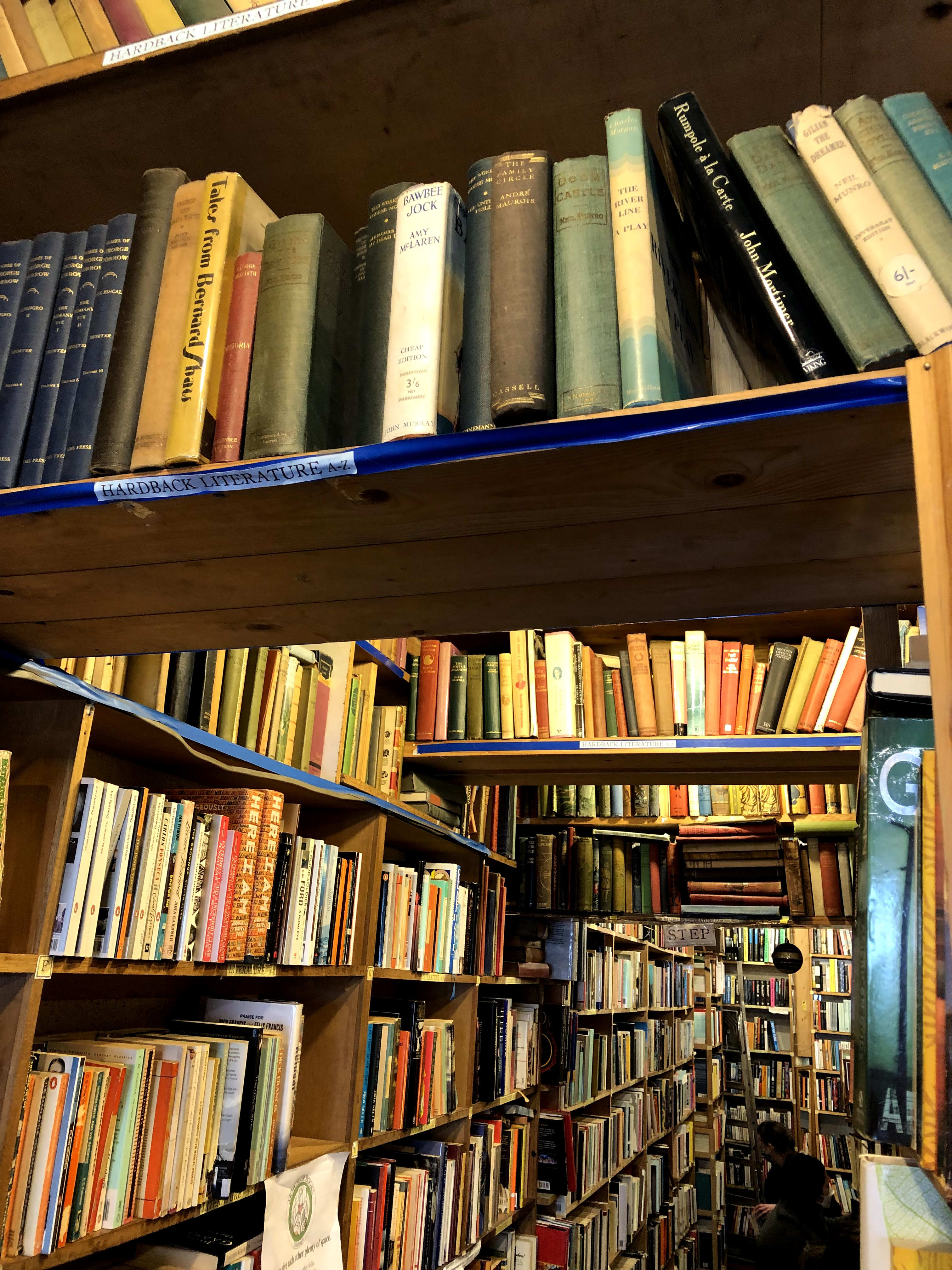
I used to work at a bookstore and we did not conceal our judgment or disdain for self-published books. It was where bad stories went to die. But, now that has changed dramatically. High-profile authors are now embracing the model and are starting to take more control of their work. After all, 70% of profits is a lot better than 10%.
The process is fairly simple and doesn’t require the risk of buying 10,000 copies that may or may not stay in your basement forever. So long as you take your time to format it correctly, you could have a printed copy of your book in a matter of weeks (sometimes days). That is a lot more satisfying than waiting years with a traditional publisher.
The negatives? All that stuff that I mentioned the publishers take care of? That’s all on you! Depending on your experience and personality, this can be a good or bad thing. Those with business experience can revel in the mounds of spreadsheets and “to-dos” but for the rest of us, it’s overwhelming.
The good news is you don’t have to do it all at once. Spend time balancing your time writing and exploring options. You don’t need to be the world’s greatest TikToker to sell a good story. Just do what’s comfortable and genuine.
Regardless whether it’s traditional or self, the best thing people can do for an author is talk and share their book. Word of mouth is impossible to control but invaluable to authors. When you go to a bookstore, it can be overwhelming to decide a book to read, but going in with a recommendation is priceless.
Conclusion
Like editing, I’m not sure there really is a conclusion. There are authors who start traditional then move to self-publishing and vice versa. Just like following writing advice, you find what works for you.
As for me? I’m still staring down that diverging road, hoping that some light shines a little brighter down the one I’m supposed to take. But, knowing me, I’ll get distracted by some squirrel and end up going down a path only meant for me.